2026 Oscar Reviews: 'The Alabama Solution'
March 10, 2026
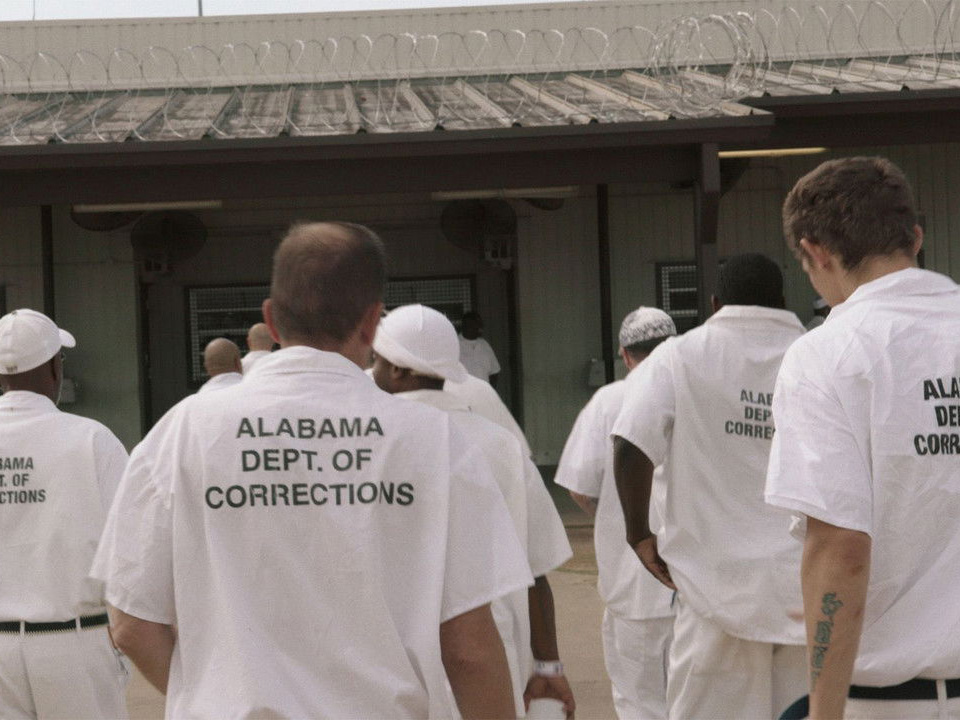
Filmed in a prison in Alabama rife with abuse and corruption, but filmed nonetheless with the cooperation of people in prison who got access to phones because of the corruption – turn those cameras on their captors. Filmed over years in coordination with activists, attorneys, artists, and the family of the incarcerated—the makers of this movie expose not one but several deaths of their own at the hands of guards and other forms of deprivation, dehumanization, and bureaucratic denial of the truth. They go on strike, the men in prison. They demand justice. They cross the dividing lines of race because they know the prison is exploiting their labor for a pittance and punishing them irrationally and really thinking they can get away with it because they couldn’t imagine them sharing their food and supplies and taking care of their own. No, they say.
Watch as the camera zooms in across the yard through the late, night air choked with mystery, past the window lit softly with an old bulb into the cell of one of the 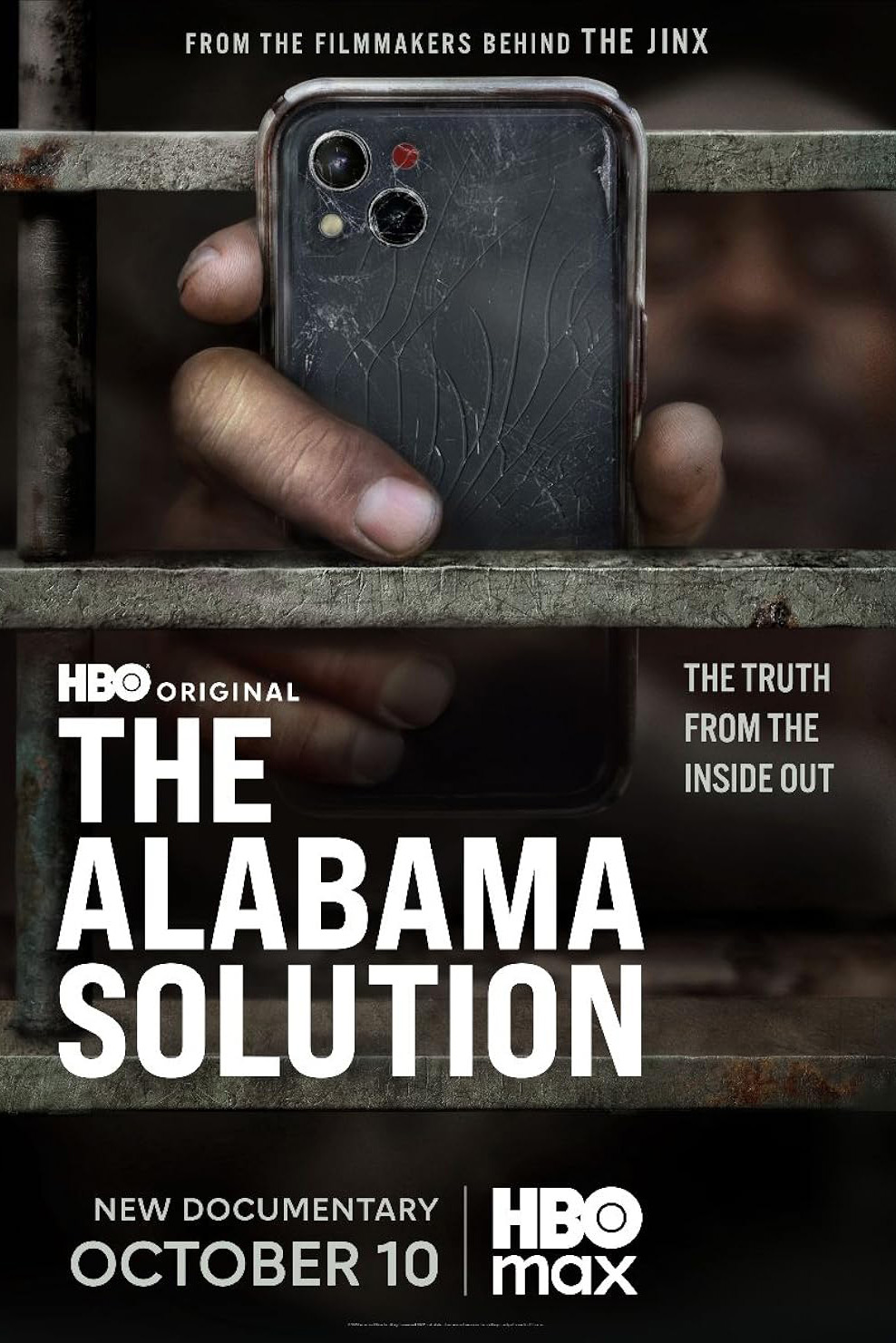 incarcerated film makers on call with one of the filmmakers on the outside as he shares what is happening. Watch this man labor to bring his phone to their leader in solitary and see that man through the slot of his door, crouched, face pointed up to the opening, bearing witness. This film is tragically beautiful in a mix of those grainy cell phone shots and high-end cinematography from the crew on the outside given access. It’s filled with Black men who have atoned for their earlier lives that led to prison.
Would you believe some of the men cry telling this story? Would you believe their humanity prevails? The strike continues and inspires prisoners across the country to join in. Back in Alabama, the spirit of resistance soldiers on. But toward the end of the film, one of the imprisoned men with a cell phone points it from his cell into the open tier where light is spilling through the barred window of the common room and comments, this is the light of truth coming through. But the film ends with the lawsuits to the prison against wrongful deaths and the state money given to expensive law firms to fight it and the last word is given to the conservative governor who is asked if she would still support expanding the prisons by taking money away from education and her response. She barely waits for the question to be asked before saying yes. That is no solution.
– David Coogan, Ph.D., associate professor in the Department of English, College of Humanities and Sciences, and editor of “American Prison Writing and Mass Incarceration”